
Soil Mechanics Laboratory
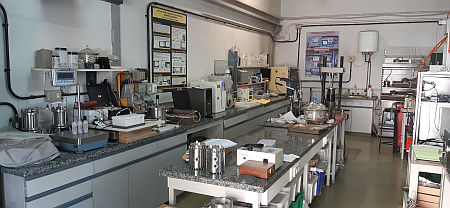
Fig. 1. Soil mechanics laboratory
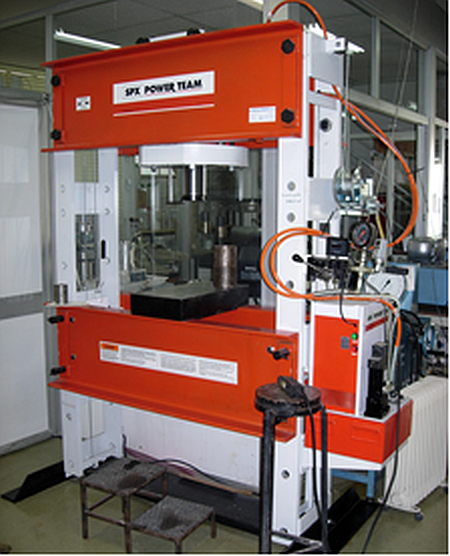
Fig. 2. 200-t press
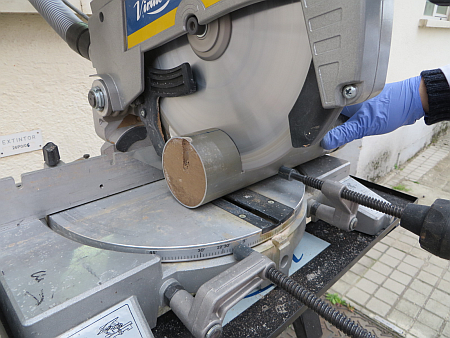
Fig. 3. Disc saw
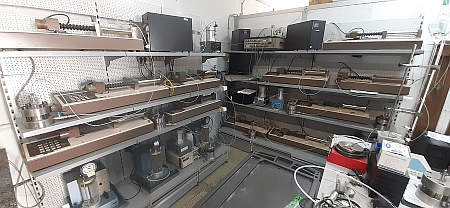
Fig. 4. Pressure/volume controllers
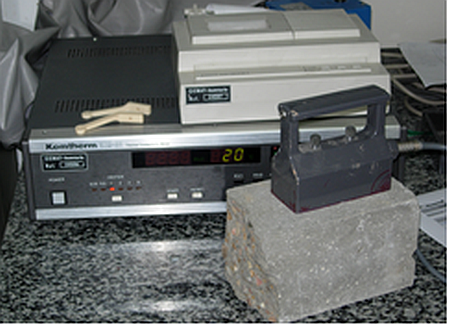
Fig. 5. Thermal conductivity measurement
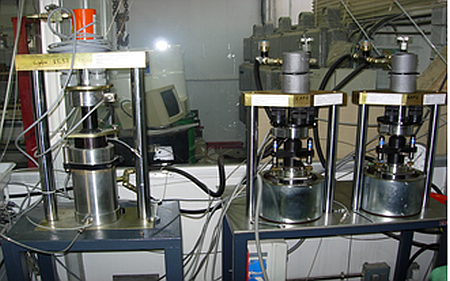
Fig. 6. Bespoke oedometers. Left: large-scale oedometer (10x10 cm). Right: high-pressure and temperature oedometers
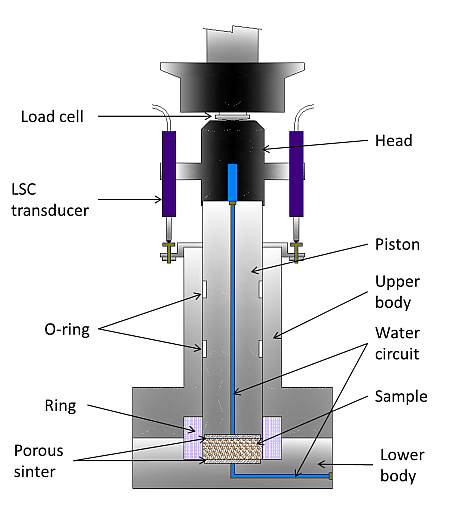
Fig. 7. Schematic design of the high-pressure oedometer
- Sample preparation for different tests, including compaction at high pressure of granular materials and cutting and trimming of consistent samples
- Determination of identification properties: granulometry, consistency limits, compactability, water content, dry density, grain density with pycnometers.
- Measurement of hydraulic conductivity of soils, concrete, rocks and expansive materials
- Measurement of swelling pressure and swelling capacity of highly expansive materials at temperatures of up to 100°C
- Oedometric tests in soils and granular materials of grain sizes up to 2 cm.
- Measurement of thermal conductivity of soils and rocks
- Triaxial tests in soils and rocks
Thermo-hydraulic cells laboratory
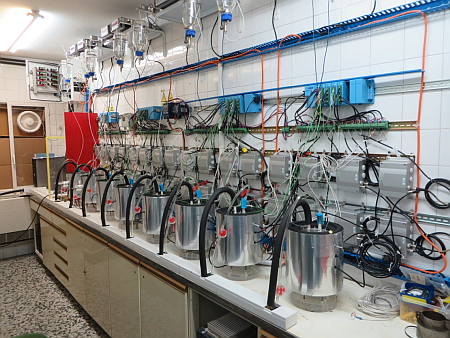
Fig. 1. General view with cells in operation
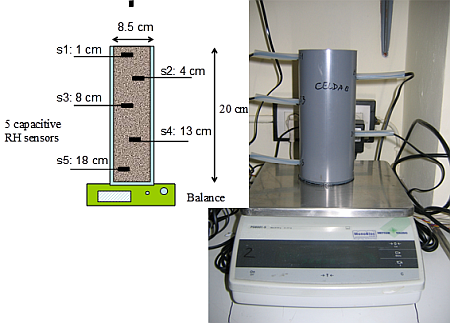
Fig. 2. Evaporation/infiltration test
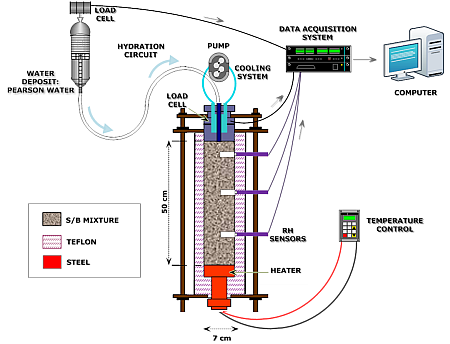
Fig. 3. Schematic design of a thermo-hydraulic test
- Infiltration/evaporation tests in soils and concrete to determine relative permeability
- Thermo-hydraulic tests in cells to simulate the conditions of barrier materials and liners
Unsaturated soils laboratory
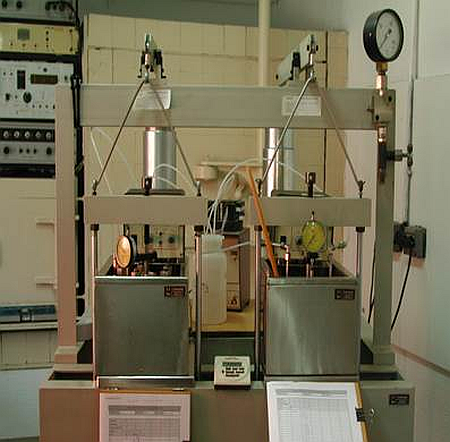
Fig. 1. Oedometers for suction and temperature control
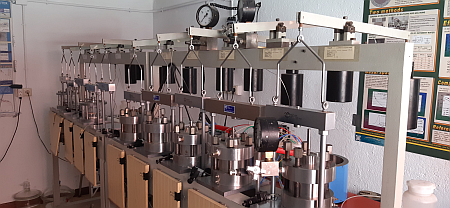
Fig. 2. Oedometers with suction control via axis translation and vapour transfer
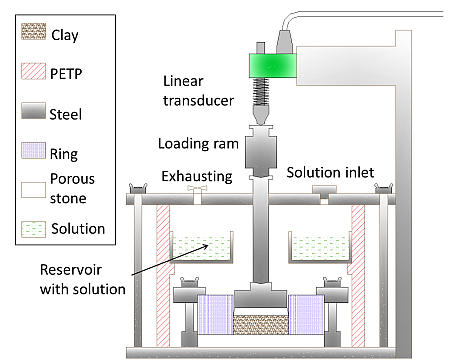
Fig. 3. Schematic design of an oedometer cell with suction control using solutions (vapour transfer)
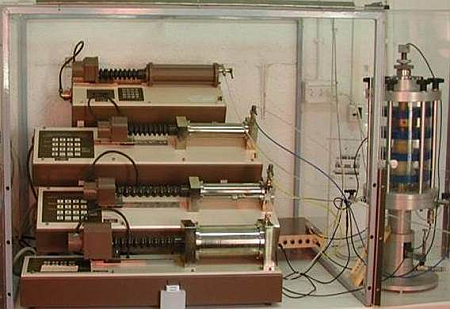
Fig. 4. Suction control triaxial setup (axis translation)
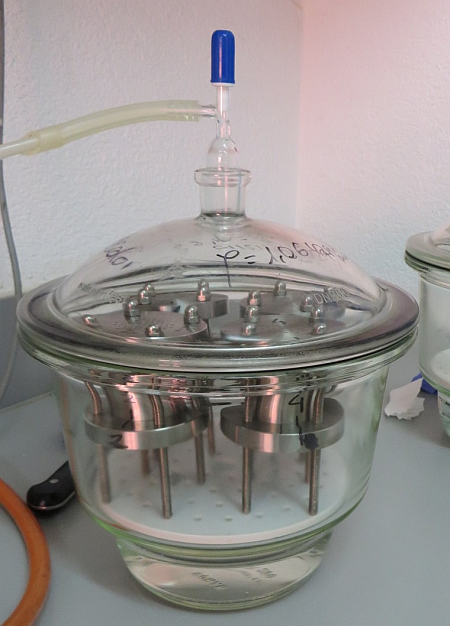
Fig. 5. Determination of water retention curve via vapour transfer in isochoric cells
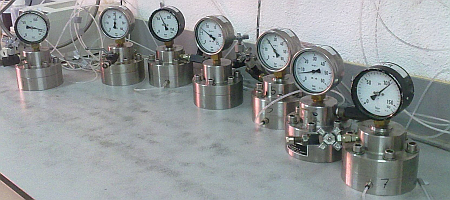
Fig. 6. Cells for the determination of water retention curves via axis translation
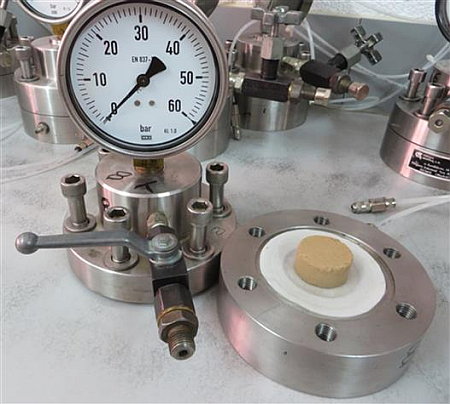
Fig. 7. Detail of a cell for the determination of water retention curves via axis translation
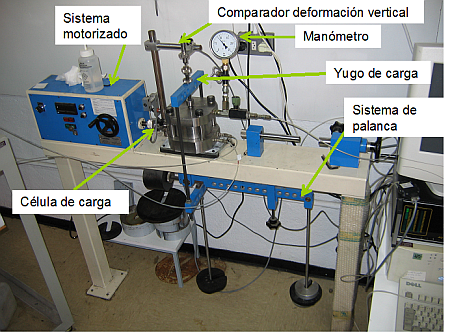
Fig. 8. Shear test with suction control via axis translation
- Determination of water retention curves (suction/water content relationship) via axis translation, vapour transfer and filter paper techniques at temperatures of up to 80°C.
- Suction measurement in soils and other materials at different temperatures
- Oedometric tests with suction control vie axis translation and vapour transfer at temperatures up to 80°C
- Triaxial tests under controlled suction through axis translation in non-expansive soils
- Direct shear tests under suction controlled through axis translation in non-expansive soils
Gas transport laboratory
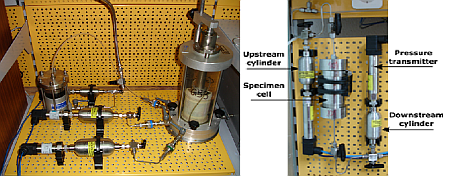
Fig. 1. Two layouts for determination of the gas breakthrough pressure
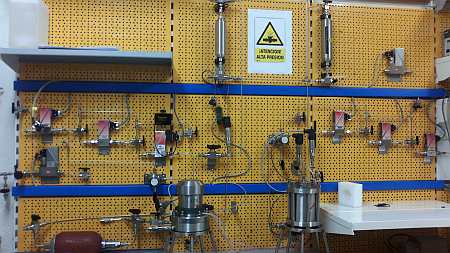
Fig. 2. Simultaneous measurement of gas permeability using flowmeters
- Gas permeability tests in unsaturated porous materials and materials close to saturation under constant and variable pressure head
- Gas breaktrough tests in saturated expansive materials
Large-scale mock-ups

Fig. 1. General scheme of the GAME test
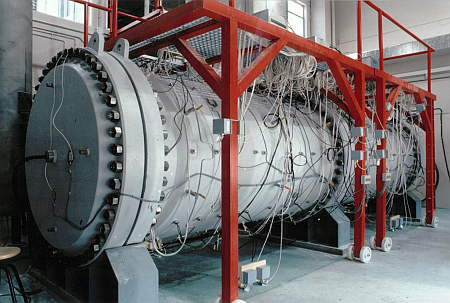
Fig. 2. FEBEX mock-up test, in operation since 1997
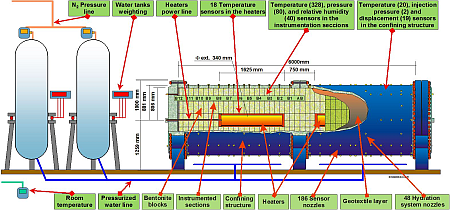
Fig. 3. Schematic design of the FEBEX mock-up
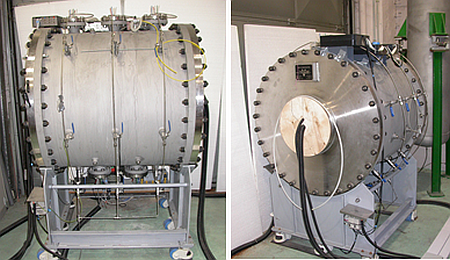
Fig. 4. Geochemical mock-ups
- 6-m long FEBEX mock-up running since 1997, simulating the near field of a radioactive waste repository according to the Spanish concept
- Two 1-m long geochemical mock-ups running since 2007
Petrophysics laboratory

Fig. 1. Micromeritics ASAP 2020 for adsorption isotherms determination
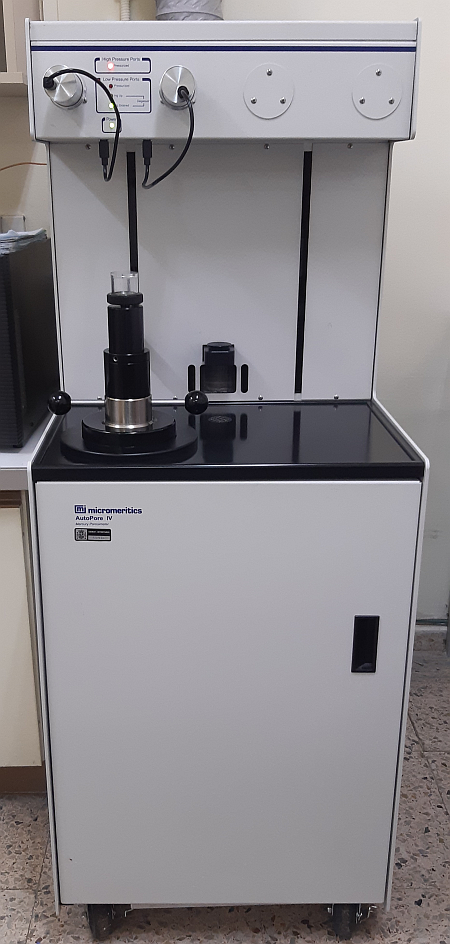
Fig. 2. Mercury injection porosimeter Micromeritics Autopore IV – 9500
- Determination of pore size distribution through mercury intrusion porosimetry
- Gas adsorption isotherms and specific surface area determination
- Solid particle density determination through helium pycnometry
Laboratory of Chemical, Thermal and FTIR Analysis
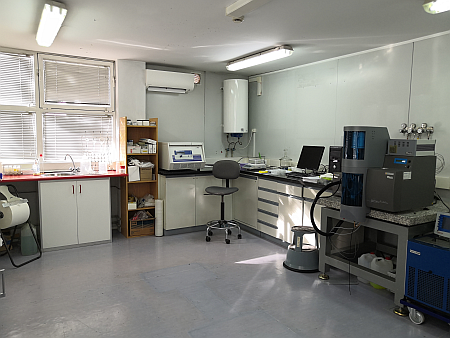
Fig. 1. View of the laboratory
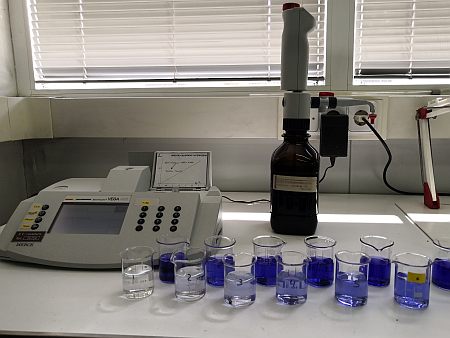
Fig. 2. Spectrophotometer
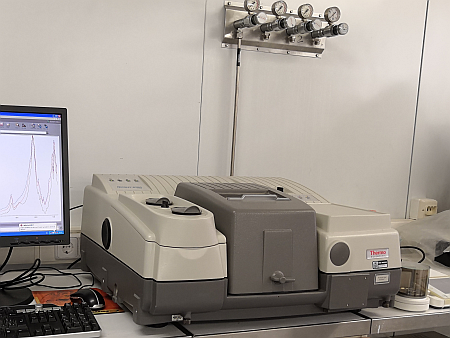
Fig. 3. Fourier Transform Infrared Spectrometer
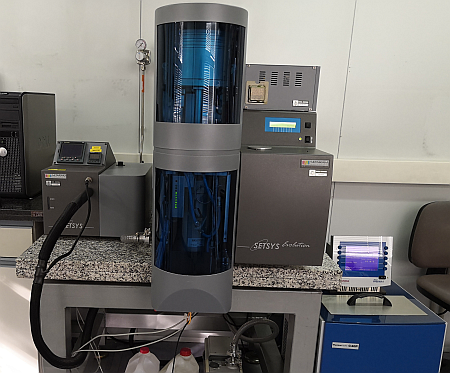
Fig. 4. TG-DSC-DTA Analyzer
- Preparation of samples for different chemical analyses
- Determination of soluble salts, cation exchange capacity and exchangeable cations
- Characterization of materials by FTIR
- Characterization of materials by thermogravimetry